Obedient Plant Companions That Will Make Your Garden Pop
Obedient plant (Physostegia virginiana), also known as false dragonhead, is a relatively easy-to-grow perennial that adds a touch of drama to the garden with its tall spikes of pink, purple, or white flowers. Obedient plant is also a magnet for pollinators, making it a great choice for attracting bees, butterflies, and hummingbirds to your yard.
If you're looking to add obedient plant to your garden, you'll need to choose the right companions. Some good options include:
- Other late-summer bloomers: Obedient plant blooms in late summer, so it's a good idea to plant it with other flowers that bloom at the same time. Some good options include coneflowers, asters, and sedum.
- Blue flowers: Obedient plant's pink or purple flowers look great when paired with blue flowers. Some good options include catmint, Russian sage, and lavender.
- Tall grasses: Tall grasses add height and texture to the garden, and they can also help to soften the edges of obedient plant's spiky flowers. Some good options include miscanthus, pampas grass, and fountain grass.
- Groundcovers: Obedient plant can be aggressive, so it's a good idea to plant it with groundcovers that will help to keep it in check. Some good options include creeping phlox, sweet alyssum, and lamium.
- Hostas: Hostas are shade-loving plants that provide a nice contrast to obedient plant's sun-loving foliage. They also help to add depth and interest to the garden.
When choosing companion plants for obedient plant, it's important to consider the plant's mature size and sun exposure requirements. Obedient plant can grow up to 3 feet tall, so it's important to plant it with other plants that are of a similar size. Obedient plant also prefers full sun, so it's important to plant it with other plants that can tolerate full sun.
With a little planning, you can create a stunning garden display by pairing obedient plant with the right companions. So get out there and start experimenting!
Obedient plants are beautiful and versatile perennials that can add a touch of elegance to any garden. But did you know that they can also be beneficial to other plants in your garden? That's right, obedient plants can actually attract pollinators, deter pests, and suppress weeds.
If you're looking for some great obedient plant companions, I recommend checking out Gardenia Inspiration. This website has a comprehensive list of plants that work well with obedient plants, along with tips on how to plant and care for them.
Here are a few of my favorite obedient plant companions:
- Purple coneflower (Echinacea purpurea): This native wildflower is a magnet for pollinators, and its tall, showy blooms will add a touch of drama to your garden.
FAQ of obedient plant companions
Question 1: What are some good companions for obedient plants?
Obedient plants (Physostegia virginiana) are tall, upright perennials that bloom in shades of pink, purple, and white. They are relatively low-maintenance and deer-resistant, making them a good choice for many gardens.
Some good companions for obedient plants include:
- Other tall perennials: Obedient plants can be used to create a tall focal point in a garden, and they look good when paired with other tall perennials, such as delphiniums, coneflowers, and sunflowers.
- Ferns: Ferns add a touch of elegance and texture to a garden, and they can also help to shade the roots of obedient plants. Some good choices for ferns include maidenhair fern, ostrich fern, and lady fern.
- Bee balm: Bee balm is a pollinator-friendly plant that attracts butterflies and hummingbirds. It also blooms at the same time as obedient plants, so the two plants can complement each other's blooms.
- Yarrow: Yarrow is another drought-tolerant plant that blooms in shades of yellow, white, and pink. It can help to fill in the spaces between obedient plants and add a splash of color to the garden.
- Chrysanthemums: Chrysanthemums are a classic fall flower that blooms in a wide range of colors. They can be planted in front of obedient plants to add a splash of color to the garden in the late summer and fall.
Question 2: What are the ideal growing conditions for obedient plants?
Obedient plants prefer full sun to partial shade and well-drained soil. They are relatively drought-tolerant once established, but they will benefit from regular watering during the first year of growth.
Question 3: How do I care for obedient plants?
Obedient plants are relatively low-maintenance plants. They should be watered regularly during the first year of growth, but they are drought-tolerant once established. They should be fertilized once a year in the spring with a balanced fertilizer.
Question 4: How do I propagate obedient plants?
Obedient plants can be propagated by division or by seed. Division is the easiest method and is best done in the spring or fall. To divide an obedient plant, carefully dig it up and use a sharp knife to divide the root ball into two or more sections. Replant the divisions in well-drained soil and water them well.
Obedient plants can also be propagated from seed. Sow the seeds in the spring in a well-drained seedbed. Keep the seedbed moist until the seeds germinate. Once the seedlings have developed a few sets of leaves, they can be transplanted into their permanent positions.
Question 5: What are some common pests and diseases of obedient plants?
Obedient plants are relatively resistant to pests and diseases. However, they can be susceptible to aphids, spider mites, and powdery mildew. Aphids and spider mites can be controlled with insecticidal soap or neem oil. Powdery mildew can be prevented by watering the plants early in the day so that the leaves have a chance to dry before nightfall.
Image of obedient plant companions
Here are 5 different images of obedient plant companions from Pinterest:
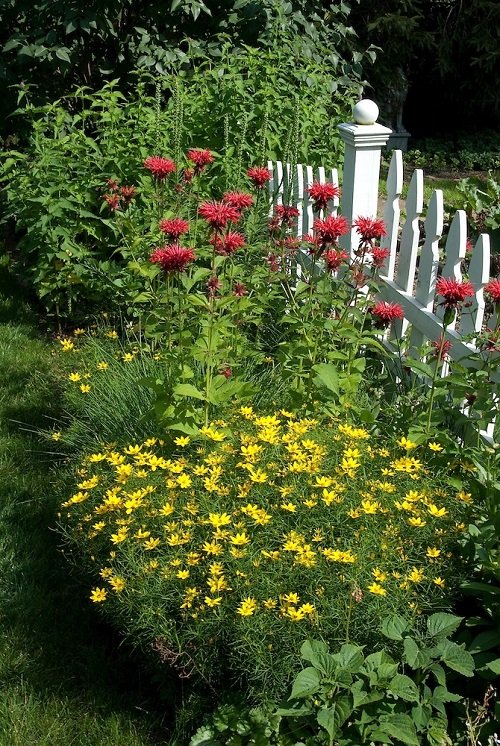
- Coreopsis. Coreopsis is a daisy-like flower that blooms in shades of yellow, orange, and pink. It is a low-maintenance plant that is drought-tolerant and deer-resistant. Obedient plants and coreopsis can be planted together in a sunny border or meadow.
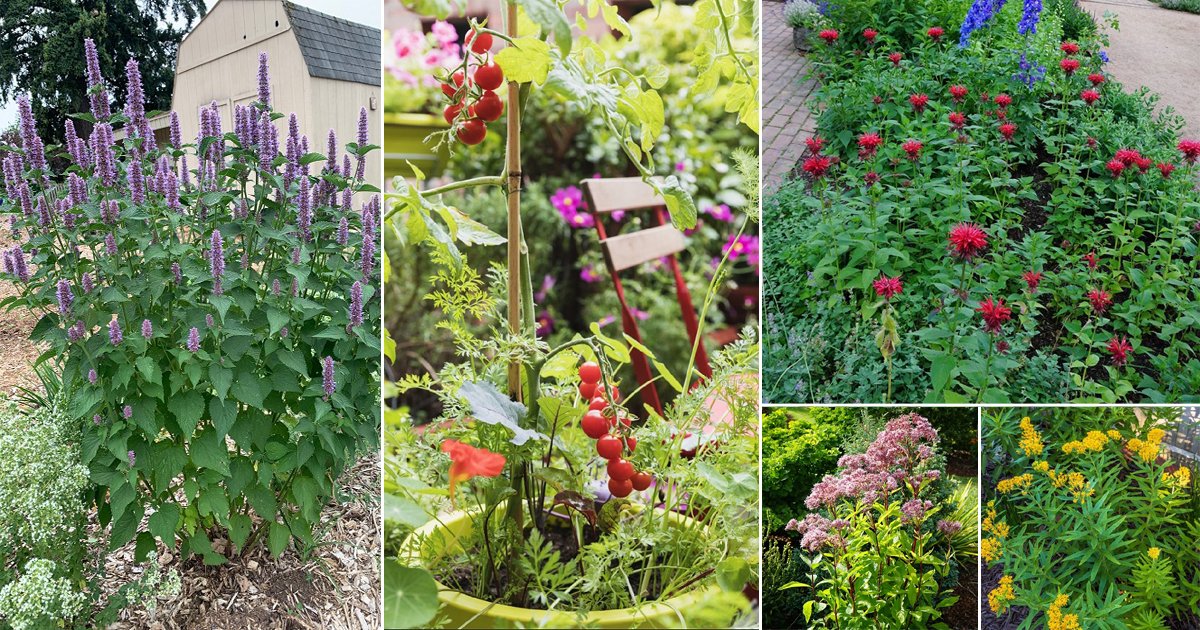
- Salvia. Salvia is a genus of flowering plants that includes many popular ornamentals. Salvias come in a variety of colors, including blue, purple, pink, and white. They are also known for their long blooming season. Obedient plants and salvias can be planted together in a pollinator garden or herb garden.
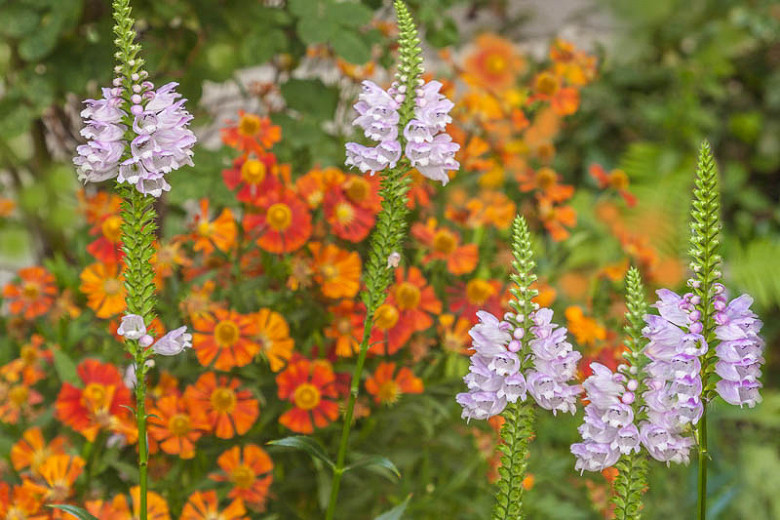
- Astilbe. Astilbe is a genus of flowering plants that is known for its delicate, fern-like foliage and airy blooms. Astilbes come in a variety of colors, including white, pink, purple, and red. They are shade-tolerant plants that are deer-resistant. Obedient plants and astilbes can be planted together in a shady border or woodland garden.

- Clematis. Clematis is a genus of flowering vines that is known for its beautiful blooms. Clematis come in a variety of colors, including blue, purple, pink, and white. They are sun-loving plants that need well-drained soil. Obedient plants and clematis can be planted together in a sunny border or patio.

- Echinacea. Echinacea is a genus of flowering plants that is known for its daisy-like flowers with a spiky center. Echinaceas come in a variety of colors, including purple, pink, and white. They are deer-resistant plants that are drought-tolerant and easy to care for. Obedient plants and echinaceas can be planted together in a sunny border or prairie garden.

Post a Comment for " Obedient Plant Companions That Will Make Your Garden Pop"