Spirea Flower: The Ultimate Guide To Growing And Caring For This Beautiful Shrub
Spirea Flower: The Ultimate Guide to Growing and Caring for This Beautiful Shrub
Spirea flowers are a popular choice for gardeners because they are easy to grow, come in a variety of colors, and bloom for a long period of time. In this blog post, we will provide an ultimate guide to growing and caring for spirea flowers.
Introduction
Spirea flowers are members of the rose family and are native to Asia, Europe, and North America. There are over 90 species of spirea, and they come in a variety of sizes, shapes, and colors. Spirea flowers typically bloom in the spring or summer, and they can last for several weeks.
Types of Spirea Flowers
There are two main types of spirea flowers: spring-blooming and summer-blooming. Spring-blooming spirea flowers typically bloom in early spring, and they include varieties such as bridal wreath spirea, Japanese spirea, and meadowsweet. Summer-blooming spirea flowers typically bloom in late spring or summer, and they include varieties such as bridal veil spirea, Anthony Waterer spirea, and oakleaf spirea.
Growing Spirea Flowers
Spirea flowers are easy to grow in most climates. They prefer full sun, but they can tolerate partial shade. Spirea flowers also prefer well-drained soil.
To plant spirea flowers, dig a hole that is twice the width of the root ball. Backfill the hole with soil, and water the plant well.
Caring for Spirea Flowers
Spirea flowers are relatively low-maintenance. They need to be watered regularly, especially during the first year after planting. Spirea flowers also need to be fertilized once a year in the spring.
Pruning Spirea Flowers
Spirea flowers should be pruned in the late winter or early spring. Spring-blooming spirea flowers should be pruned after they bloom. Summer-blooming spirea flowers should be pruned in the late winter or early spring before they start to grow.
Conclusion
Spirea flowers are a beautiful and easy-to-grow addition to any garden. With proper care, spirea flowers will bloom for many years to come.
Spirea flowers are a beautiful addition to any garden. They come in a variety of colors, including white, pink, red, and purple. Spirea flowers are also relatively easy to care for, making them a great choice for beginner gardeners.
If you're interested in learning more about spirea flowers, I encourage you to visit Garden Wiki. This website has a wealth of information about spirea flowers, including their history, different varieties, and how to care for them.
FAQ of spirea flower
- What are the characteristics of spirea flowers?
Spirea flowers are small, delicate, and often clustered together in large, showy blooms. They come in a variety of colors, including white, pink, red, and purple. Spirea flowers typically bloom in the spring or summer, and they can be a beautiful addition to any garden.
- What are the different types of spirea flowers?
There are over 100 different species of spirea flowers, each with its own unique characteristics. Some of the most popular types of spirea flowers include:
* Bridal Wreath Spirea (Spiraea x vanhouttei): This type of spirea is known for its large, white blooms that appear in the spring.
* Japanese Spirea (Spiraea japonica): This type of spirea is a popular choice for its colorful blooms, which can be white, pink, red, or purple.
* Meadowsweet Spirea (Spiraea alba): This type of spirea is known for its delicate, white blooms that appear in the summer.
* Spirea Goldflame (Spiraea x bumalda 'Goldflame'): This type of spirea is a popular choice for its golden-yellow foliage.
- What are the care requirements for spirea flowers?
Spirea flowers are relatively easy to care for. They prefer full sun, but they can tolerate some shade. They also need well-drained soil. Spirea flowers should be watered regularly, but they should not be overwatered. They should also be pruned in the spring to keep them healthy and looking their best.
- What are some common problems with spirea flowers?
Some of the most common problems with spirea flowers include:
* Aphids: Aphids are small, sap-sucking insects that can damage spirea flowers. They can be controlled with insecticidal soap or neem oil.
* Powdery mildew: Powdery mildew is a fungus that can cause white, powdery spots on spirea leaves. It can be controlled with a fungicide.
* Rust: Rust is a fungus that can cause orange or brown spots on spirea leaves. It can be controlled with a fungicide.
- How can I propagate spirea flowers?
Spirea flowers can be propagated by division, cuttings, or layering. Division is the most common method. To divide a spirea plant, simply dig it up in the spring or fall and separate the roots into several smaller clumps. Plant the clumps in new locations and water them well.
Image of spirea flower
Pink flower spike of rose spirea
White flower clusters of bridal wreath spirea
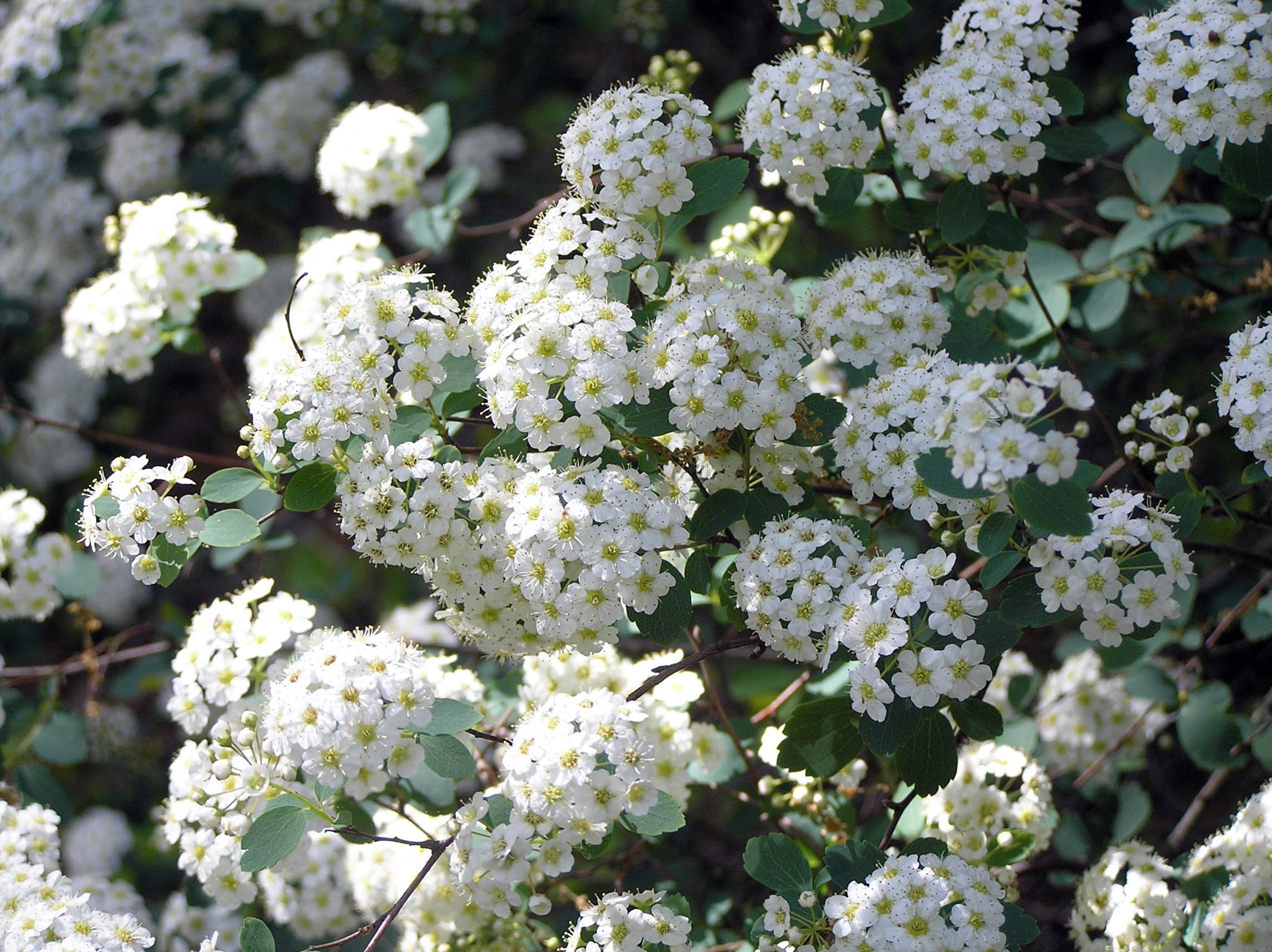
Yellow flowers of golden spirea

Fuchsia pink flowers of Japanese spirea

Deep pink flowers of Anthony Waterer spirea
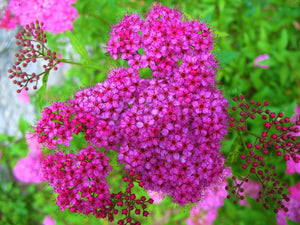
White flowers of bridalwreath spirea in full bloom
Pink flowers of Japanese spirea against a green background

Red flowers of thunbergii spirea in a garden
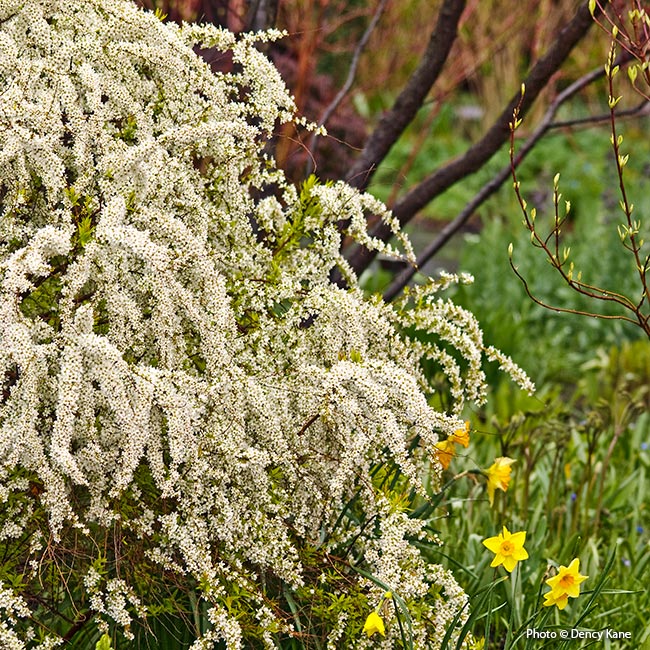
White flowers of vanhouttei spirea in a vase
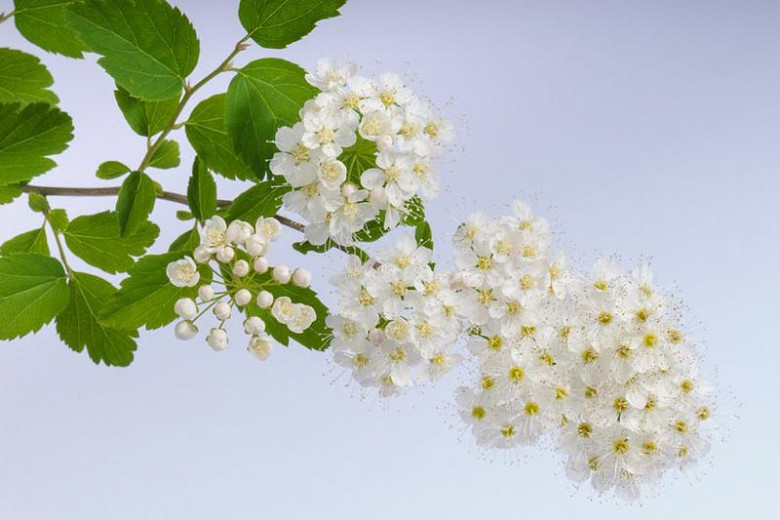
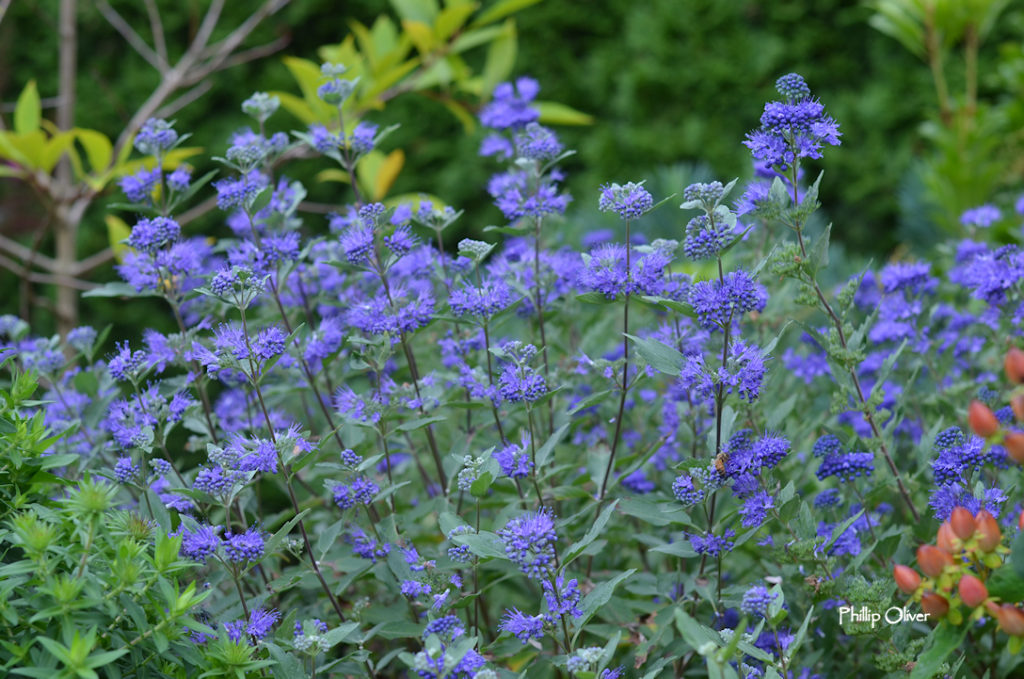
Blue flowers of bluebeard spirea


Post a Comment for "Spirea Flower: The Ultimate Guide To Growing And Caring For This Beautiful Shrub"